The Women 30-60 Who Power a Billion-Dollar Industry
Seventy percent of micro-drama users are women, concentrated in the 30-60 age range — an audience Hollywood has historically underserved. Here's who's watching, why they're paying, and what the industry understands about them that traditional entertainment doesn't.
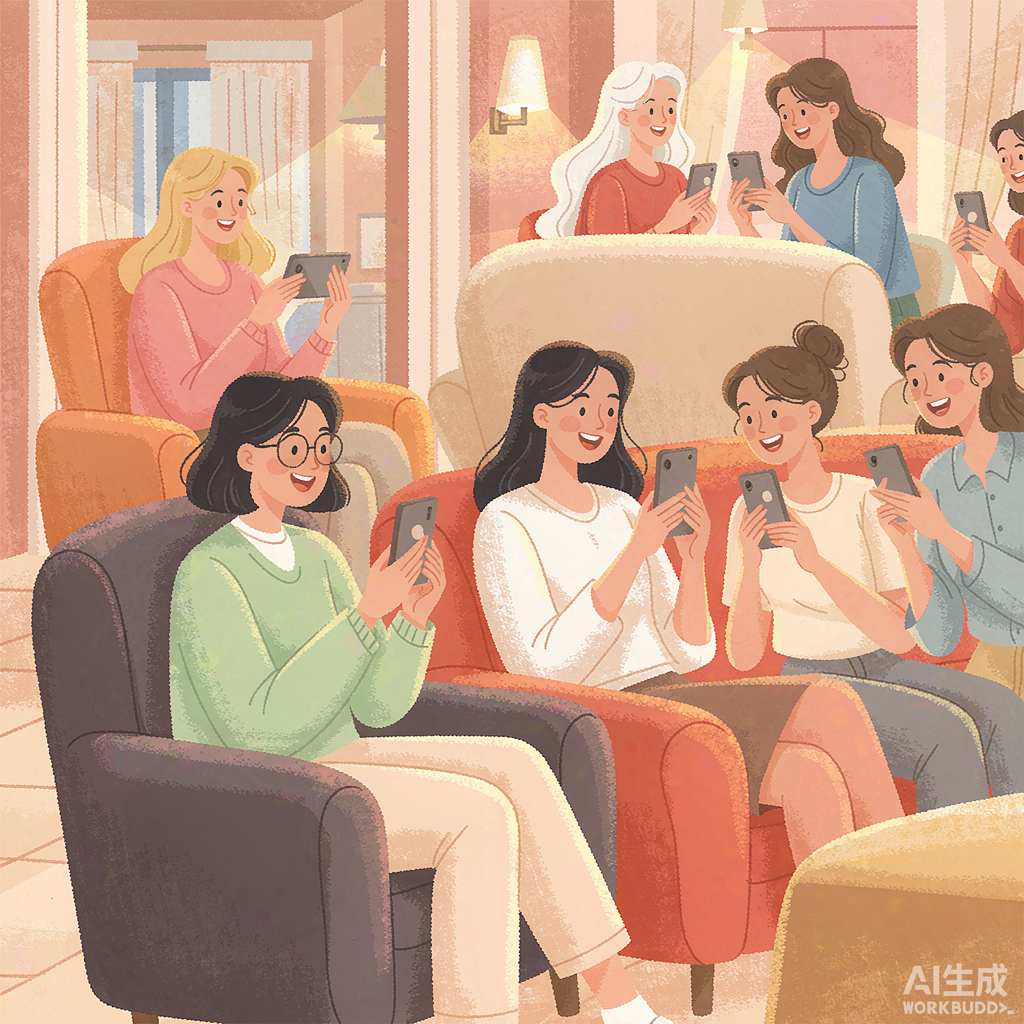
If you want to understand the micro-drama industry, you need to understand its audience. And the data is remarkably consistent: about 70% of micro-drama users are women, concentrated in the 30-to-60 age range. This isn't a Gen Z phenomenon, despite the TikTok aesthetics. It's a middle-aged female phenomenon, and it's worth billions.
This is the audience that Hollywood has historically underserved — and that micro-drama platforms have learned to serve extremely well. Let's talk about who's watching, why they're paying, and what the industry gets right about them.
The Demographics: Who Are These Women?
The core micro-drama user is a woman between 30 and 60, primarily in the United States. She's likely working, likely has family responsibilities, likely doesn't have hours to devote to prestige TV. She watches on her phone — during her commute, on her lunch break, in bed before sleep.
She's not a cord-cutter or a media snob. She probably has Netflix and maybe a few other streaming subscriptions. But those services aren't quite giving her what she wants: stories that center her experiences, her desires, her fantasies.
She's also, crucially, willing to pay. U.S. consumers account for the bulk of micro-drama revenue, spending heavily on coins to unlock episodes. This is an audience with disposable income and a willingness to spend it on entertainment that speaks to her.
What They Want: Stories That Center Female Desire
The content preferences of this demographic are remarkably consistent:
Romance, but not just any romance. The most popular micro-dramas feature competent, relatable heroines and powerful, devoted love interests. The fantasy isn't just "hot guy" — it's "hot guy who sees you, values you, and would do anything for you."
Wish fulfillment. Secret billionaires, contract marriages, revenge on those who wronged you. These are fantasies of power, validation, and vindication — the narrative equivalent of comfort food.
Female agency (mostly). The best micro-dramas give their heroines real agency. They're not just passive recipients of male attention; they're active participants in their own stories. (The exception, of course, is the "obsessive CEO" subgenre, which offers a different kind of fantasy: being so desirable that a powerful man loses control.)
Emotional catharsis. These shows are engineered to make you feel — joy, anger, satisfaction, longing. They're not subtle, but they're effective.
Why Traditional TV Underserves Them
Hollywood has historically undervalued this demographic. The industry's conventional wisdom has long been that young men drive box office and young viewers drive ratings. Women 30-60? They're an afterthought.
The result is a content landscape that often ignores or condescends to this audience. Prestige TV is dominated by antiheroes and dark dramas. Network TV is chasing younger viewers. Even "women's content" (rom-coms, Lifetime movies) is often made with a somewhat patronizing assumption about what women want.
Micro-dramas don't make that mistake. They take this audience's desires seriously. They give them stories that center female pleasure, female power, female fantasy — without apology or irony.
The Platform Advantage: Meeting Them Where They Are
Micro-drama platforms have succeeded by meeting this audience where they are — literally. These women are on their phones, scrolling during spare moments throughout the day. Micro-dramas fit perfectly into that behavior.
The 90-second episode length is key. You can watch an episode while waiting in line, during a commercial break, in the bathroom. You don't need to carve out an hour. You just need 90 seconds.
The mobile-first design matters too. These aren't shows you watch on your TV. They're shows you watch on your phone, one-handed, while doing something else. The vertical format, the tight close-ups, the lack of complex visuals — it all serves the reality of how this audience actually consumes content.
The Willingness to Pay
Perhaps the most remarkable thing about this audience is their willingness to pay. These aren't broke college students looking for free content. They're working women with disposable income, and they're spending it — $20, $50, sometimes $100+ per week on coins.
Why? Because the content delivers value to them. It's entertainment that speaks to their desires, fits into their lives, and provides genuine emotional satisfaction. The $20/week isn't an irrational addiction — it's a conscious choice to spend money on something that brings them joy.
The Lesson for the Industry
The success of the 30-60 female demographic in micro-dramas carries a lesson for the broader entertainment industry: this audience is valuable, underserved, and willing to pay for content that speaks to them.
Hollywood is starting to catch on. The success of micro-dramas has forced a re-evaluation of assumptions about what women want to watch and how they want to watch it. Expect to see more content targeting this demographic, in more formats, across more platforms.
The micro-drama industry got there first. But it won't have the field to itself for long.
The Bottom Line
The women aged 30-60 who power the micro-drama industry are not a niche. They're a massive, valuable audience that traditional entertainment has ignored for too long. They want stories that center their desires, delivered in a format that fits their lives, and they're willing to pay for it.
The micro-drama platforms understood this before anyone else. That's why they're winning.
More in Industry

What Are Chinese Short Dramas? A Complete Beginner's Guide to Vertical Micro-Dramas
They're 90 seconds long, shot vertically, and powered by cliffhangers — and they've quietly become a multi-billion-dollar industry. Here's everything you need to know about Chinese short dramas, from how they work to why your brain can't resist them.

The $26 Billion Question: How Micro-Dramas Became Entertainment's Fastest-Growing Sector
From $1.4 billion in 2024 to a projected $26 billion by 2030. The micro-drama industry is growing faster than almost any entertainment sector in history. Here's the data behind the boom — and what it means for the future of storytelling.

ReelShort vs DramaBox: The Duopoly Fighting for Your Commute
One prioritized scale, the other profitability. ReelShort and DramaBox control over half the overseas micro-drama market — but they're playing very different games. Here's how the two giants compare, and which model is winning.