Why Are Americans Paying $20/Week for 90-Second Episodes? The Psychology of Micro-Drama Addiction
U.S. consumers spend hundreds of millions annually on micro-drama apps, often $20+ per week on coins. What's driving this willingness to pay for 90-second episodes? The answer lies in a carefully engineered addiction machine.
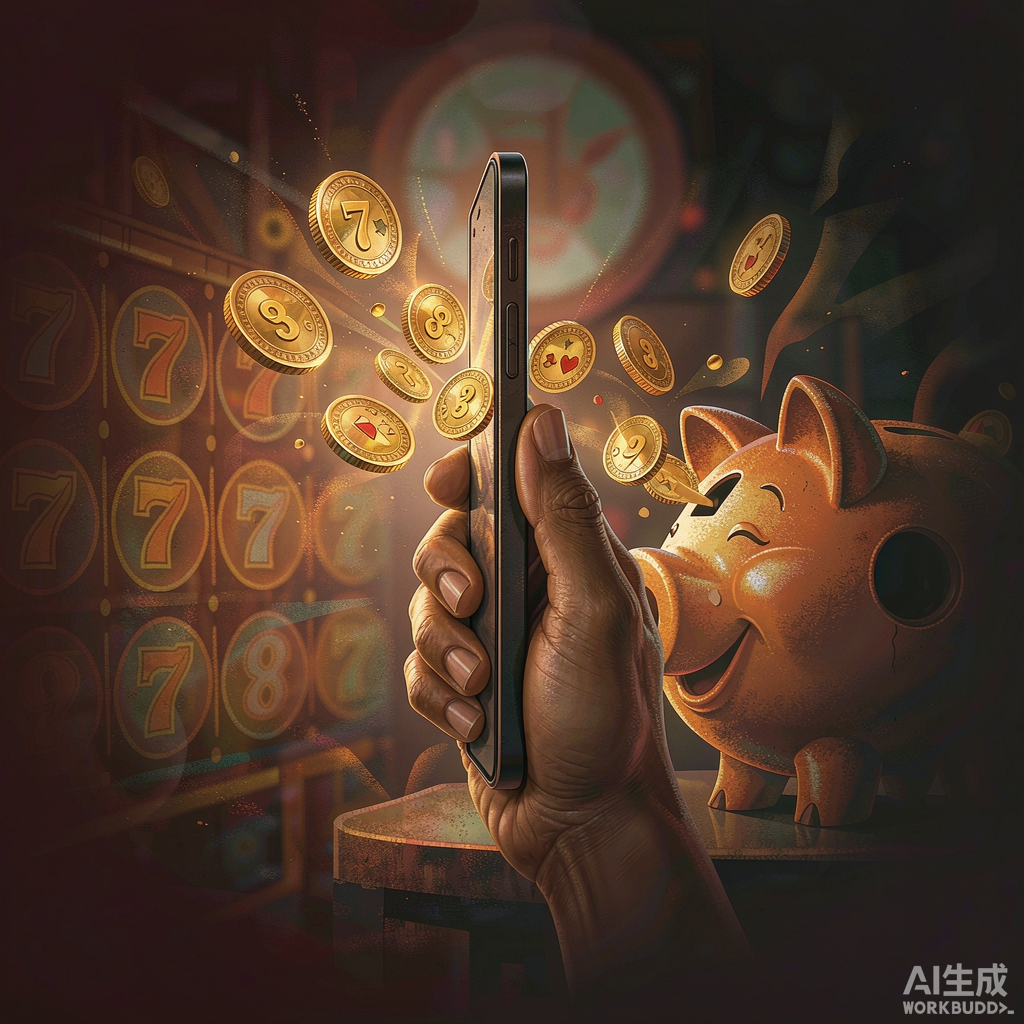
Here's a statistic that should make traditional entertainment executives deeply uncomfortable: U.S. consumers are spending between $819 million and $1.3 billion annually on micro-drama apps. Individual users routinely report spending $20 or more per week on "coins" to unlock 90-second episodes.
Let that sink in. People are paying subscription-level money — Netflix money, HBO money — for content that's delivered in 90-second chunks, shot on modest budgets, and built on tropes so familiar they're practically public domain.
Why? What makes someone pull out their credit card for the privilege of watching the next 90 seconds of a show about a secret billionaire? The answer is a masterclass in behavioral psychology, wrapped in a business model so effective it's almost scary.
The Freemium Trap: Free Until You're Hooked
The genius of the micro-drama monetization model is in the onboarding. Download ReelShort or DramaBox, and the first several episodes of any show are completely free. Not a free trial. Not a sample. Several full episodes, no strings attached.
This is deliberate. The platforms understand that the hardest part isn't getting you to pay — it's getting you invested. So they give you the setup for free: the meet-cute, the inciting incident, the first few cliffhangers. They polish those early episodes obsessively, front-loading the best writing, the strongest performances, the most addictive hooks.
By episode 8 or 10, you're invested. You care about these characters. You need to know what happens next. And then — only then — the paywall appears.
The Zeigarnik Effect: Your Brain Hates Unfinished Business
The psychological principle underlying the entire model is called the Zeigarnik effect: our brains have a powerful, almost compulsive need to resolve unfinished business. An unresolved narrative — a cliffhanger, a mystery, a "will they/won't they" — creates genuine psychological tension that can only be relieved by resolution.
Micro-dramas weaponize this. Every single episode ends on a cliffhanger. Not a gentle narrative pause — a cliffhanger. A revelation about to drop, a confrontation about to happen, a secret about to be exposed. The tension is deliberately unbearable.
And then the show offers you relief... for a price. Just a few coins. Just this once. You can stop anytime.
The Coin System: Obfuscating the Real Cost
The coin system is another psychological masterstroke. By denominating purchases in "coins" rather than dollars, the platforms create psychological distance from the real cost. Spending 50 coins doesn't feel like spending real money, even though those coins cost actual dollars.
It's the same principle that makes casino chips effective: once you've converted real money into an abstract currency, spending it feels less consequential. You're not paying $0.50 for an episode; you're spending 50 coins. The mental accounting is completely different.
The Sunk Cost Spiral
Once you've spent money on a show, the psychology shifts again. Now you're not just invested in the story — you're invested financially. Quitting means "wasting" the coins you've already spent. So you keep going, spending a little more each time, chasing the resolution that always seems to be just a few more episodes away.
This is the sunk cost fallacy in action, and it's incredibly powerful. Users report spending $20, $50, even $100+ on a single series, not because they planned to, but because each individual purchase felt small and justifiable at the time.
The Slot Machine Comparison
It's not an accident that micro-drama apps feel a lot like mobile games — or, less charitably, like slot machines. The mechanics are identical:
- Variable reward schedule: You never know exactly when the big payoff (the kiss, the reveal, the confrontation) is coming, which keeps you pulling the lever.
- Small, frequent transactions: Each purchase is small enough to feel inconsequential, but they add up fast.
- Near-miss effect: Episodes often end just before the payoff, creating the sensation that you were "so close" and just need one more spin.
The platforms even use the same retention mechanics as mobile games: daily login bonuses, limited-time offers, push notifications alerting you to new episodes. It's a habit loop, carefully engineered to keep you coming back.
Who's Paying (and Why)
The demographics tell the story. Seventy percent of micro-drama users are women, concentrated in the 30-60 age range. This is an audience that's often underserved by traditional entertainment — too old for YA, too busy for prestige TV's time commitments, looking for stories that center their desires and experiences.
Micro-dramas deliver exactly that: romance, wish fulfillment, emotional catharsis, all in a format that fits into the cracks of a busy life. The willingness to pay isn't irrational — it's a reflection of how well these platforms serve an audience that Hollywood has historically ignored.
The Ethical Question
Is this exploitative? It's a fair question. The mechanics are undeniably designed to be addictive, and the monetization is aggressive. Some users report spending more than they intended, chasing resolutions that never quite arrive.
But it's also worth noting that this is entertainment, not gambling. Users are getting content for their money — 90-second episodes, yes, but content nonetheless. And for many users, the $20/week is a conscious choice, a form of entertainment spending they find worthwhile.
The platforms walk a fine line. Push too hard, and you get backlash and regulatory scrutiny. Push too little, and you leave money on the table. So far, ReelShort and DramaBox have navigated that line successfully — but as the industry grows, expect the ethical questions to get louder.
The Bottom Line
Americans are paying $20/week for 90-second episodes because the entire system is engineered to make that feel like a good idea. The free onboarding, the cliffhangers, the coin obfuscation, the sunk cost spiral — it all adds up to a monetization machine that's as impressive as it is slightly unsettling.
Understanding these mechanics won't necessarily make you immune to them. But it might make you a little more aware the next time you find yourself reaching for your wallet at 11 PM, desperate to see if she finally figures out he's a billionaire.
More in Industry
What Are Chinese Short Dramas? A Complete Beginner's Guide to Vertical Micro-Dramas
They're 90 seconds long, shot vertically, and powered by cliffhangers — and they've quietly become a multi-billion-dollar industry. Here's everything you need to know about Chinese short dramas, from how they work to why your brain can't resist them.

The $26 Billion Question: How Micro-Dramas Became Entertainment's Fastest-Growing Sector
From $1.4 billion in 2024 to a projected $26 billion by 2030. The micro-drama industry is growing faster than almost any entertainment sector in history. Here's the data behind the boom — and what it means for the future of storytelling.
ReelShort vs DramaBox: The Duopoly Fighting for Your Commute
One prioritized scale, the other profitability. ReelShort and DramaBox control over half the overseas micro-drama market — but they're playing very different games. Here's how the two giants compare, and which model is winning.